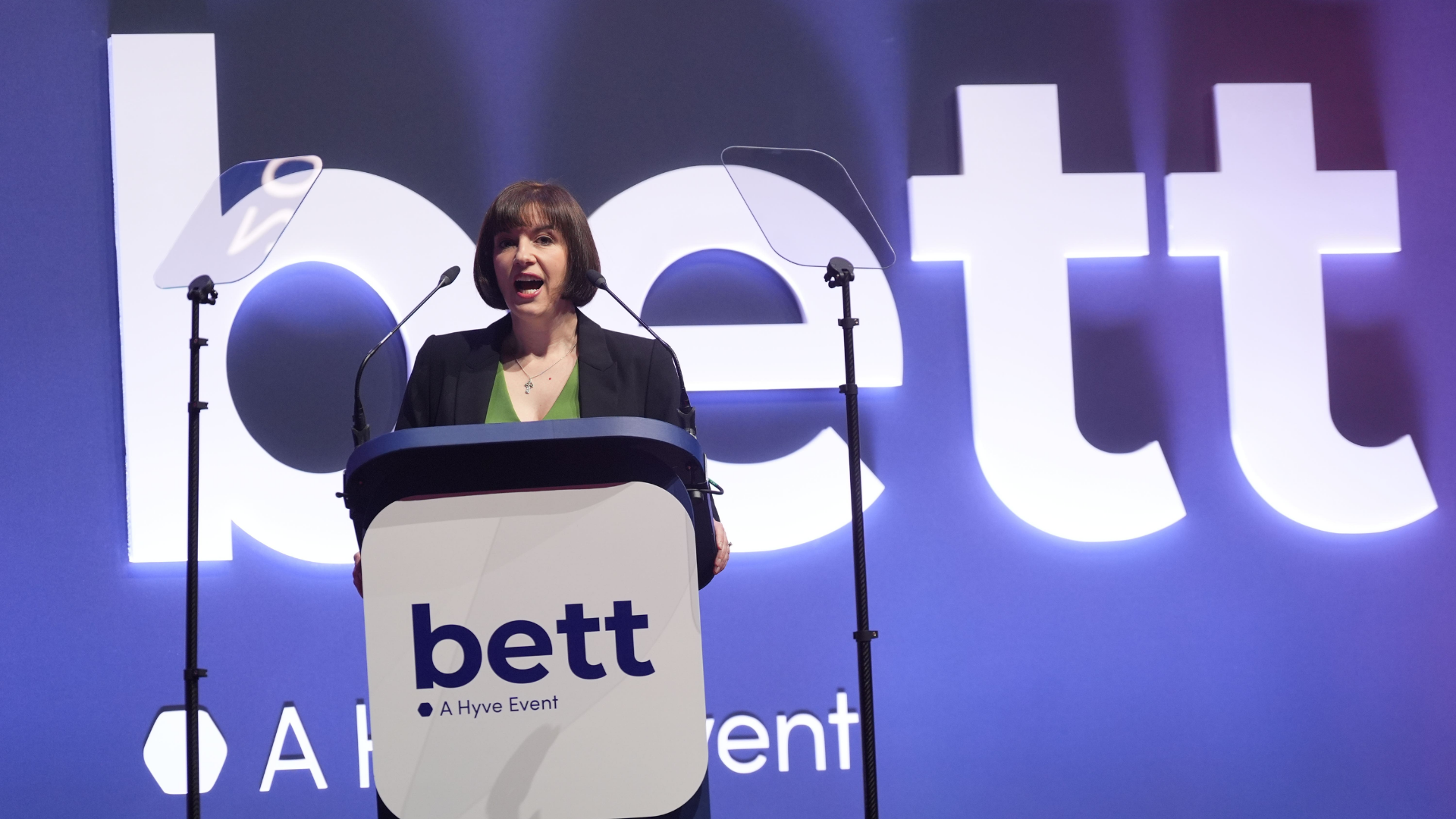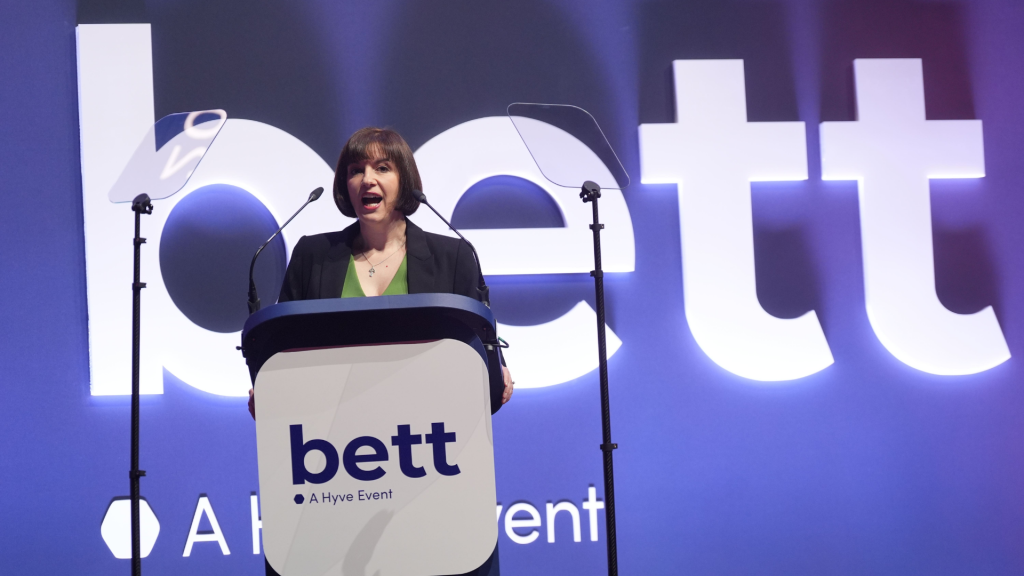
At Bett UK, Bridget Phillipson set out an ambitious agenda for education.
Much of it will resonate with trust leaders: safety and wellbeing, workforce confidence, SEND, infrastructure, curriculum, and skills. None of this is optional because all of it matters.
But one strand of the speech speaks particularly clearly to a challenge many trusts are grappling with right now — not because it’s new, but because it’s hard to put into practice:
“A data-driven school system — a new data spine and open data standards to connect and share information, unlocking insights that were previously trapped in closed systems.”
This wasn’t a technical ambition. It was a leadership one — and it reflects the space we work in with trusts
The AI conversation is moving fast — but mostly in the classroom
Much of the current conversation around AI in education is understandably focused on teaching and learning.
- Time-saving tools for lesson planning.
- Support for marking and feedback.
- Personalisation and SEND support in the classroom.
Bridget Phillipson reinforced this too — highlighting AI’s potential to reduce workload, free up staff time, and support professional judgement when it’s used well, safely and with restraint.
That focus makes sense. It’s where AI’s impact has been most visible so far.
But the leadership challenge sits elsewhere.
Trust leaders aren’t short of data — they’re short of clarity
Across trusts, large volumes of data already exist: attendance, behaviour, attainment, inclusion, wellbeing, stakeholder voice and improvement plans.
The problem isn’t access. It’s coherence.
Insight often lives across multiple systems, dashboards, spreadsheets and documents. Each one useful on its own — but difficult to bring together when leaders need to answer simple, high-stakes questions:
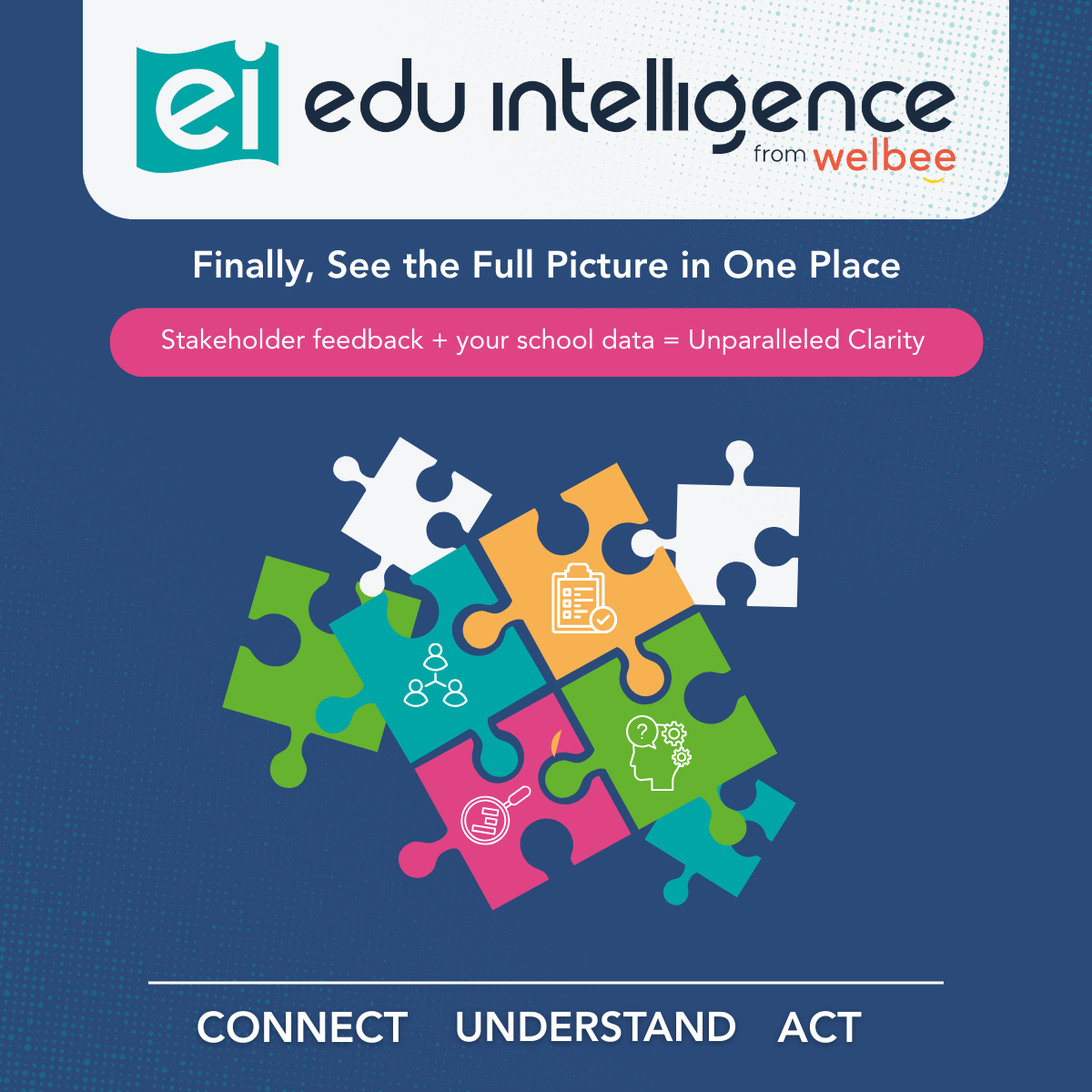
This is where the challenge of connecting the data trusts already have becomes real.
- What’s really happening across the trust?
- Why is it happening?
- What action have we taken?
- And is it making a difference?
Leaders can get to the answers — but often through time-consuming manual effort, interpretation and last-minute triangulation, particularly when scrutiny increases.
Why this matters now
Alongside national policy direction is a clear shift towards Ofsted inspection at trust level.
That changes the leadership ask.
The focus moves beyond individual schools to system understanding:
- Explaining variation across schools
- Spotting patterns earlier, not retrospectively
- Evidencing improvement over time
- Showing how decisions link to impact
In that context, data alone isn’t enough. What’s needed is evidence — insight that connects what’s happening, why it’s happening, and what’s changed as a result.
Where AI can support leadership — and where it can’t
This is where the conversation about AI needs to mature. AI doesn’t magically fix disconnected data. And it shouldn’t be used to replace professional judgement.
But when data is connected, governed and trusted, AI can play a powerful leadership role — not by generating content, but by helping leaders make sense of complexity.
Used well, AI can:
- Surface patterns across large, messy datasets
- Highlight emerging risks and opportunities
- Reduce the manual effort of joining the dots
- Support earlier, more confident decision-making
- Provide evidence of impact
Importantly, this has to happen while protecting sensitive underlying data and maintaining strong governance. That emphasis on safety and restraint ran throughout Phillipson’s speech — and it matters just as much at leadership level as it does in the classroom.
Inclusion can’t be averaged out
Phillipson’s focus on inclusion — particularly for pupils with SEND — also matters in this context.
A system that only shows headline figures risks masking very different experiences within and across schools. If leaders can’t clearly see how different groups are experiencing school, data becomes a blunt instrument rather than a tool for improvement.
When inclusion, wellbeing and voice sit alongside attendance and attainment, it becomes easier to act earlier, target support more effectively, and make fairer decisions.
From national ambition to day-to-day leadership
A national data spine will take time to build.
But the leadership challenge it speaks to already exists — in executive meetings, improvement discussions and inspection preparation happening now.
This is the space we work in every day at Edu Intelligence — helping trusts connect the data they already have, make sense of it, and turn insight into evidence that leaders can stand behind.
Bridget Phillipson’s speech didn’t introduce a new problem. It gave national voice to a challenge trust leaders have been navigating for years.
The opportunity now is to move from fragmented data to connected evidence — and to use AI thoughtfully, safely and purposefully to support leadership, not distract from it.
Read Bridget Phillipsons full speech here