

Growing Your MAT
Growing MATs offer significant advantages and economies of scale, though one advantage I don’t often hear about, is that around people. MATs located geographically close or with clusters have a significant advantage in growing their people – a wider talent pool from which to succession plan and it is much easier to create opportunities and retain staff.
So, a growing MAT helps you to effectively retain, grow and develop your people and fill more future positions internally – you become your own head-hunter, identifying potential replacements early and getting them ready for their next role.
And growing your people, helps to grow your MAT – more time to focus on the opportunities presented, less time spent on firefighting and replacing staff and of course more candidates, and future leaders, who are also ready to lead effectively.
Your PeoplePeople are your most important asset – it is certainly where most funding is spent.
For growing Trusts, their workforce planning and people strategy will be at the heart of the decisions they take. Without the right people and in the right roles, both now and in the future, sustainable growth is not a realistic ambition.
It is about making and delivering a clear commitment to your people – the value you place in them, how they should expect to be treated, and how this fits with your core values. It should also be developed with your people and not done to them, to ensure buy-in.
Yet, it is very easy to have conversations and to set out your mission, vision, and a set of values. Much more difficult to make these part of what happens every day, with everyone being able to clearly articulate the behaviours that would demonstrate that values are being lived.
I have seen and read many People Strategy documents, and while they are set out differently, they cover the same key themes and headings, such as workforce planning, managing performance, staff development, recruitment, retention, and staff wellbeing. When you break this down further, and in no particular order, we can find everything listed below is included:
- Identifying and closing skill and knowledge gaps
- Finding those staff at greatest risk of leaving
- Talent identification
- Succession planning
- Career pathways
- Flexible working
- Diversity, equity, inclusion and belonging
- Recruitment & Retention (covering some or all the employee lifecycle – attraction, recruitment, onboarding, development, performance, retention, farewell)
- Employee relations
- Managing performance
- Setting objectives
- Professional and personnel development
- Staff wellbeing – measuring & tracking, giving leaders the right tools to support others, helping all staff to take responsibility for better looking after their own wellbeing
- Building resilience
- Providing a safe and heathy working environment
- Safeguarding
- Clear accountability and outcomes
- Communication
- Ensuring all HR processes and procedures are compliant with legislation.
This is not an exhaustive list and while many documents have strong aims, they can be somewhat vague about how they will be delivered and measured.
The real challenge for Trusts looking to grow, is how to effectively execute their people strategy and deliver the results they need systematically and effectively, with the resource and cost restraints that are likely to be in place?The employee offer“We are all united by the same goal to drive real change in education, we work in collaboration, staff development is a priority, many opportunities for career development, you will do purposeful work, you are guaranteed to change lives.” These are all statements included under a ‘Why work here’ heading on Trust websites. They list benefits, those on top of salary and pension, such as salary sacrifice schemes, loyalty payments, reward and money off schemes and in some cases support with affordable housing, particularly in locations with high house prices.
It is becoming harder to stand out from other Trusts and staff are also being tempted by higher pay and more flexible working from other sectors.
So, the real differentiator is in execution and ensuring staff feel they are supported, valued, listened to, and belong. Those that do this well, not only retain more staff, but they can use colleagues to attract others. Word of mouth, seeing real staff members talking about their experiences on recruitment videos and enthusing whenever they meet others, for example in external meetings, is hard to fake. Where to startWhile all the areas covered in the bullet points above have their place, it is very difficult, if not impossible to focus on all of them. A good start is to measure and identify where you are now. Establish key indicators that you believe are most important and track against them. In the current market here are my suggestions:
- Staff turnover (number and percentage of total headcount)
- Time leavers spend in role (as an average and looking at trends)
- Time to recruit
- Vacancies filled internally
- Staff absence days and trends
- Risk of staff leaving
- Staff wellbeing and likely costs (because they are significant) – if you want to calculate your likely cost of poor staff wellbeing you can use our calculator here.
Much of this can be done quantitatively and by tracking specific figures, with qualitative data completing the set in helping to identify those at risk of leaving and to measure the wellbeing of staff. Examples of seeking qualitative information include feedback from ‘stay interviews’, using a model such as the 9-box grid, and seeking staff feedback. Using an evidence built and recognised staff wellbeing survey with benchmarks can also provide hard data.
The 9-box grid is a helpful way to quickly identify talent, their likely future roles and development needs, unambitious high performers, those needing support and those at risk of leaving. This can all be used to create your succession plan. The example below is taken from https://mypeoplestrategy.com, a neat technical solution that helps to quickly create a Trust overview.
Try the Welbee Toolkit Free for 3 Months
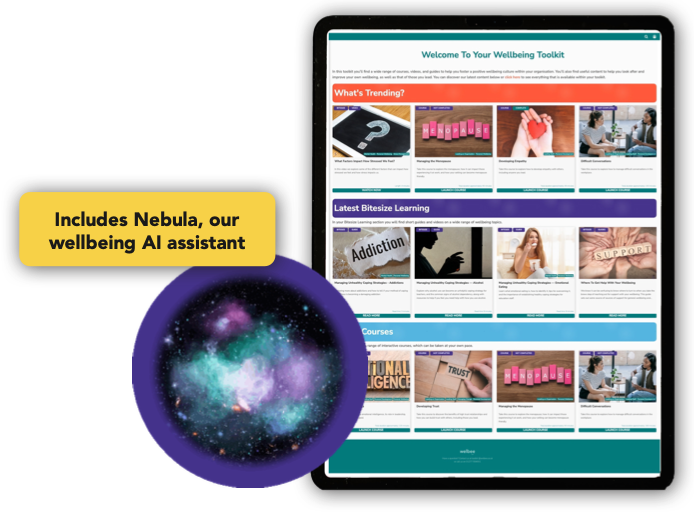
150 + expert wellbeing resources
Clarity self assessment means staff quickly identify the right resources
Curated wellbeing Journeys save time – so staff can tackle issues
Full interactive courses,
Bite size learning, videos & guides
Including the World’s first AI Wellbeing Assistant
Better meet the commitments in the DFE Staff Wellbeing Charter
Help leaders build wellbeing into the culture
Support all staff to better manage their own wellbeing
What Makes Teachers Unhappy and What You Can Do About It…
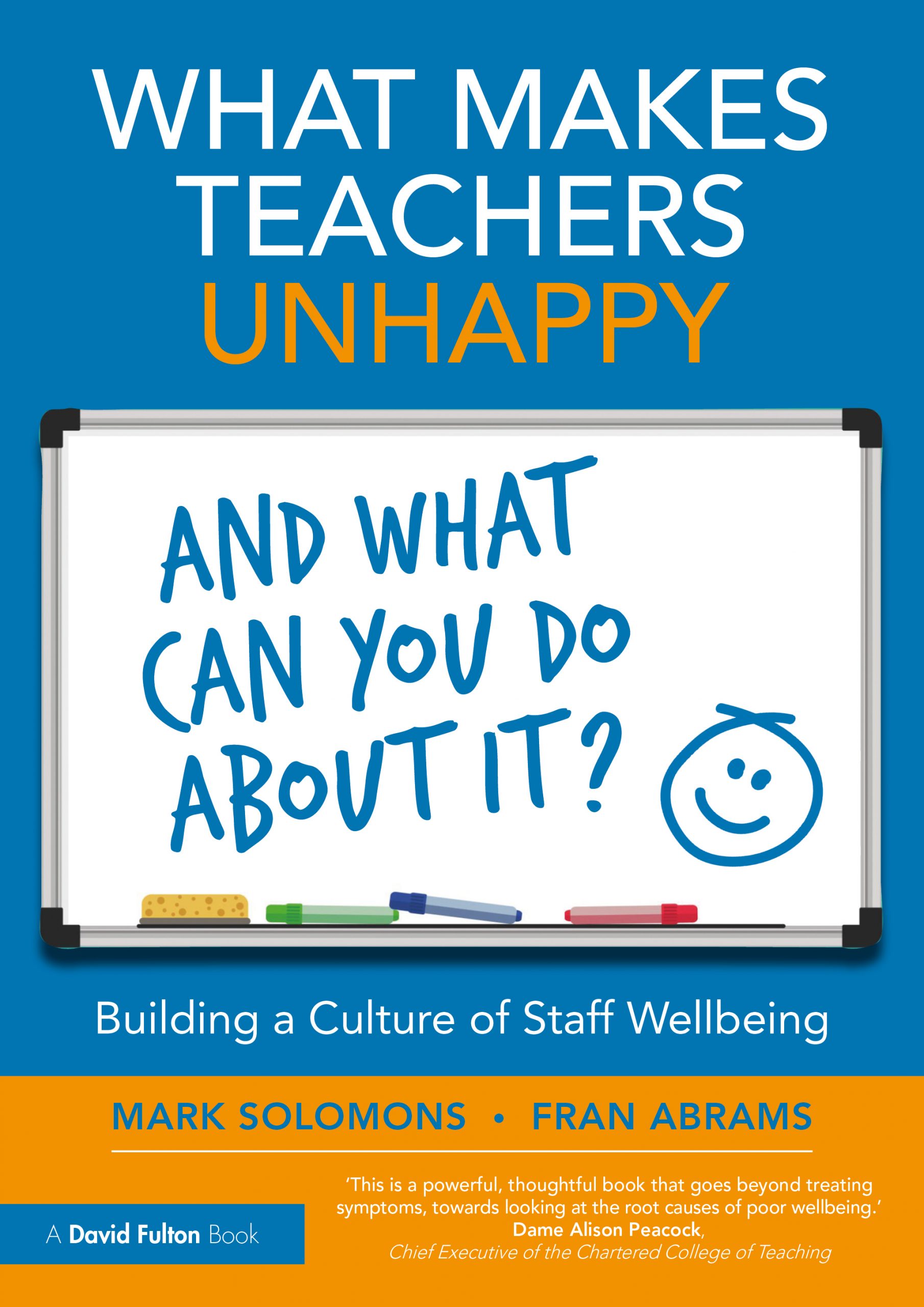
“This is a powerful, thoughtful book that goes beyond treating symptoms… a compellingresource for leaders everywhere.”Professor Dame AlisonPeacock, Chief Executive, Chartered College of Teaching
Published 26th September 2023
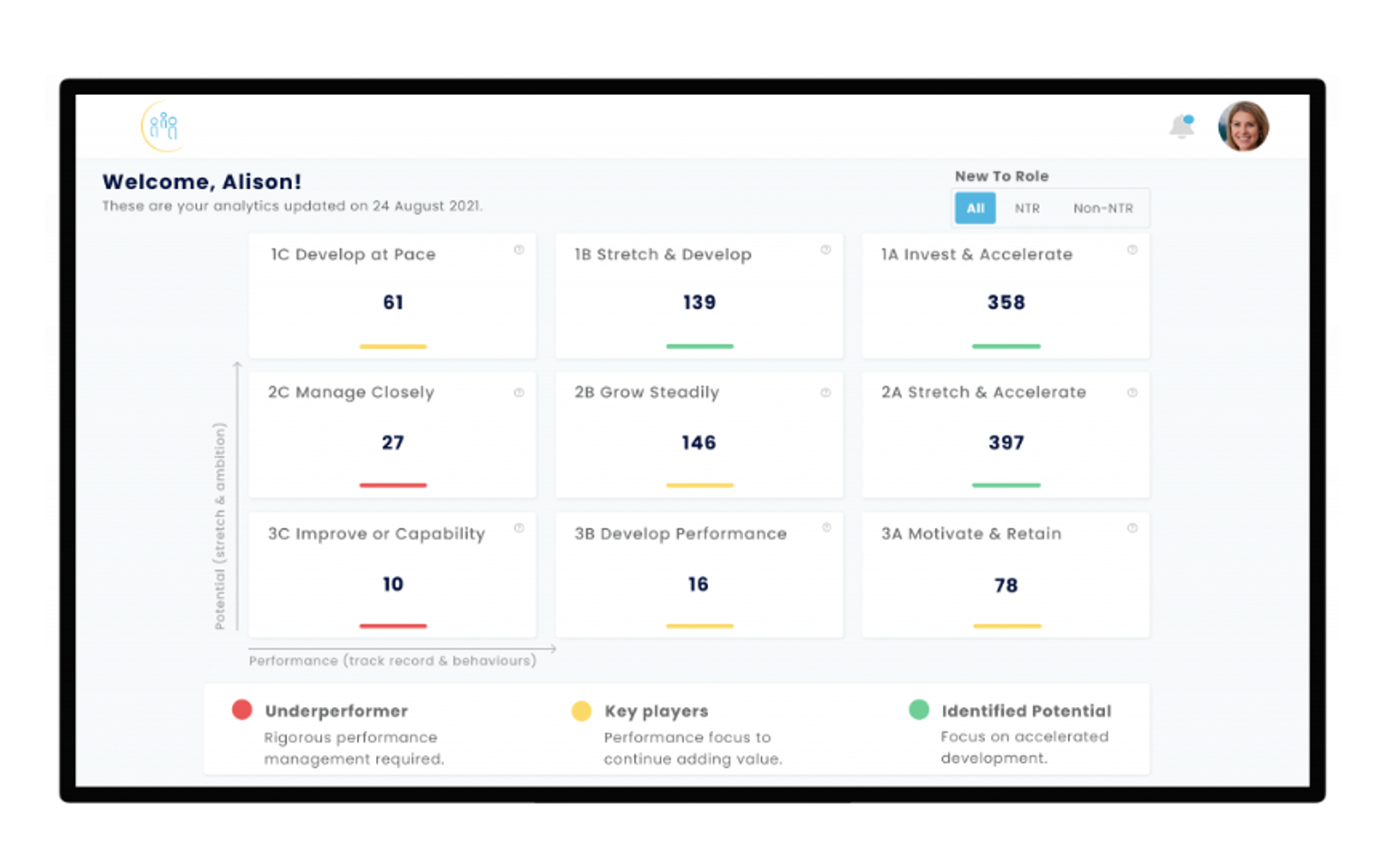
Identifying your current position and performance means you can select from a long list of possible actions and focus your energy and effort on those few that will have the biggest impact.
What might you focus onThrough measurement and tracking your key indicators you will know where to focus strategically. Alongside this, it is what happens every day that is so important – how staff feel they are treated and valued
With so much of the employment offer being similar across Trusts, it is the skills, attitudes and behaviours of leaders that makes the real difference. Their soft and people skills, and awareness of how they impact those they lead – both positively and negatively. Help them to self-assess against those competencies that have been proven to reduce or prevent stress, effectively coach, recognise contribution and create a psychologically safe place.
Having the right workforce to underpin your future growth isn’t just about recruiting good staff – more importantly it’s about developing them and leading in a way that they want to stay and do their best work.
Growth is on the agenda of most CEOs and other senior MAT leaders I regularly speak with and to deliver this effectively needs effective delivery across much more than simply people. The academy trust quality descriptors also talk about, School Improvement, without which other schools may not want to join, Finance and Operations, much needed to underpin growth and oversight through effective governance.
Yet, without the right people, the right leadership and the right workforce development sustainable growth simply cannot be achieved.
Book your 30 minute demo to see how the Welbee Way helps systemise staff wellbeing measurement and improvement as part of your People Strategy – from real experts behind the Wellbeing Toolkit and the book “What Makes Teachers Unhappy and What Can You Do About It? Building a Culture of Staff Wellbeing.”
Book Your Demo Below
If you have questions or would like further information, please email support@welbee.co.uk.
Try the Welbee Toolkit Free for 3 Months
150 + expert wellbeing resources
Clarity self assessment means staff quickly identify the right resources
Curated wellbeing Journeys save time – so staff can tackle issues
Full interactive courses,
Bite size learning, videos & guides
Including the World’s first AI Wellbeing Assistant
Better meet the commitments in the DFE Staff Wellbeing Charter
Help leaders build wellbeing into the culture
Support all staff to better manage their own wellbeing
What Makes Teachers Unhappy and What You Can Do About It…
“This is a powerful, thoughtful book that goes beyond treating symptoms… a compellingresource for leaders everywhere.”Professor Dame Alison Peacock, Chief Executive, Chartered College of Teaching
Published 26th September 2023