


Grow Your People and Grow Your MAT
As a MAT leader you well know the difficulties of recruiting and retaining the best staff – teachers, support staff and leaders – it’s been a national issue for many years.
Having the right workforce to underpin your future growth isn’t just about recruiting good staff – more importantly it’s about keeping them. It’s well documented a third of teachers leave within five years of qualifying – so huge amounts of potential are being lost. The figures are just as concerning for leaders, and we are seeing a growing challenging in retaining and recruiting the right support staff too.
An evidence review carried out by Education Support looked at 42 studies carried out in the UK, Europe, US, and Australia between 2011 and 2021 and found stress and burnout were strongly linked with teachers’ job satisfaction as well as with their intention to leave the profession.
This and poor work-life balance are major issues and the government looked to tackle the issue with a new teacher recruitment and retention strategy, launched in 2019. Its aim to put support for teachers – particularly new teachers – at the heart of all schools. This Early Career Framework comes with a funded two-year package of support, but the strategy is also supposed to be about changing culture in a way that supports teacher wellbeing.
While much of the research and statistics are about teachers, their recruitment and retention. We should not forget support staff as we are also seeing them leave in greater numbers and many schools are having greater difficulty in recruiting them.
Larger and growing MATs offer significant advantages and economies of scale, though one advantage I don’t hear about too often, is that of people. MATs located geographically close or with clusters have a significant advantage in growing their people – a wider talent pool from which to succession plan and it is much easier to create opportunities and retain staff.
So, a growing MAT helps you to effectively retain, grow and develop your people and fill more future positions internally – you become your own head-hunter, identifying potential replacements early and getting them ready for their next role.
And growing your people, helps to grow your MAT – more time to focus on the opportunities presented, less time spent on firefighting and replacing staff and of course more candidates, and future leaders, who are also ready to lead effectively.
Staff wellbeing is also a crucial part of your people strategy and must be embedded in the climate and culture if you want to be an employer of choice and create a great place to work. Much of this rests with the behaviour of senior leaders and line managers, supported by effective systems and processes.
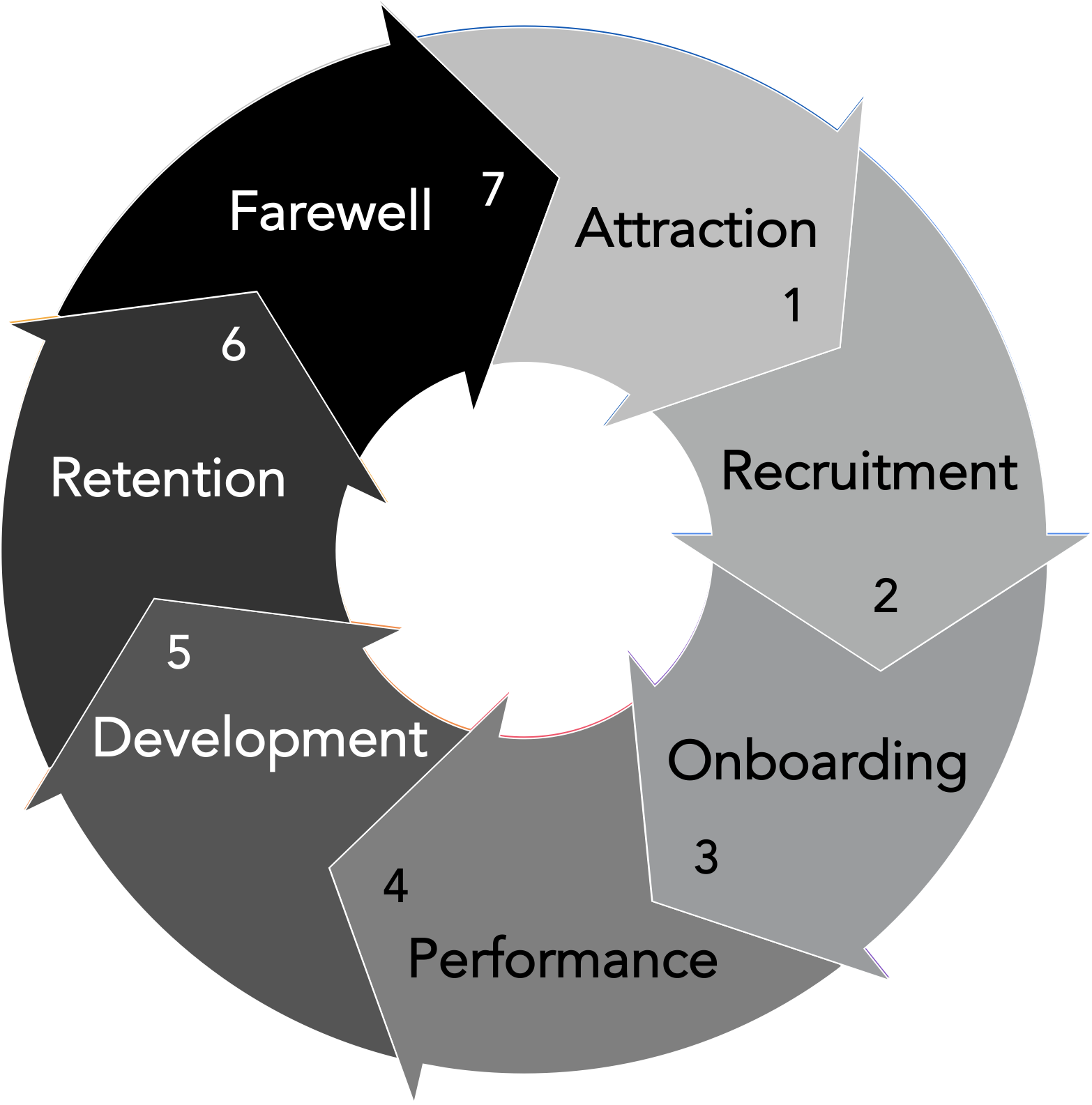
Building an effective people strategy means looking at all elements of the employee lifecycle – the one I use has 7 stages and you may have seen alternative models.
Seven stages of the employee lifecycle – from attraction to farewell
Try the Welbee Toolkit Free for 2 Months
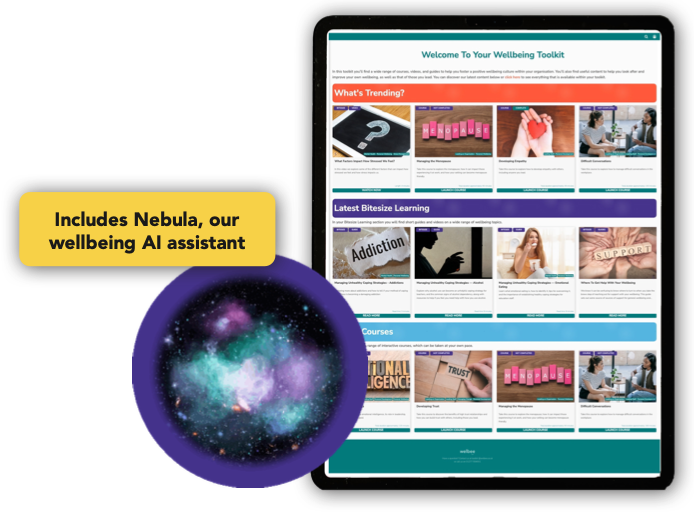
150 + expert wellbeing resources
Clarity self assessment means staff quickly identify the right resources
Curated wellbeing Journeys save time – so staff can tackle issues
Full interactive courses,
Bite size learning, videos & guides
Including the World’s first AI Wellbeing Assistant
Better meet the commitments in the DFE Staff Wellbeing Charter
Help leaders build wellbeing into the culture
Support all staff to better manage their own wellbeing
What Makes Teachers Unhappy and What You Can Do About It…

“This is a powerful, thoughtful book that goes beyond treating symptoms… a compellingresource for leaders everywhere.”Professor Dame Alison Peacock, Chief Executive, Chartered College of Teaching
Published 26th September 2023
30% Discount Available to MATA Members(Use code WMTU30)
1. Attraction
The first stage is employee attraction – all about generating interest in your MAT and schools. It is more than simply sharing good news stories.
This initial attraction needs to be embedded as part of your comprehensive people strategy, and of course that involves much more than the odd press release. Even when you don’t have vacancies, you will be identifying opportunities to get your message out to your ideal candidates and to give them reasons to engage with you – including in your own MAT and schools.
Remember the best ambassadors you have are those already working with you: they won’t tell anyone external what a great a place it is to work, unless it really is! You might think about how well you manage professional development opportunities, flexible working, and the offer of part-time roles for those who need them. Every time you do something to help a current member of staff manage their work-life balance better, you’re creating an opportunity – hopefully when they run into staff at outside your MAT, and chat about their respective experiences, and their respective leaders management styles, your staff member will have something good to say.
So, use your staff to attract and recruit others, for example in videos, asking them to share why they love working for you. Prospective staff would much prefer to hear from others like them.
2. Recruitment
You are recruiting in a highly competitive market in which – depending on the position or subject – there may well be a national shortage of qualified candidates.
Management theory gives us a two-pronged means of looking at this: there are ‘hygiene factors’ or ‘dissatisfiers’ which can prove negative if you get them wrong, and there are ‘motivators’ which will be positive if you get them right. The ‘hygiene factors’ in recruitment include the job description, person specification, application form and job advert.
The materials produced by different schools often look similar, so are there ways you can make yours stand out and perhaps focus on the climate and culture you have created? Or by the questions you ask or by making the process simpler and easier – maybe ask them to make a short video about why they want the job, rather than having to fill in a big application form.
Job interviews and selection days are an opportunity to talk about your motivators: things like opportunities to develop and to achieve; the ways you recognise and reward good work. Ask yourself: “What would the best MAT in the world do and how will we share this?”
Focus on attitude and cultural fit rather than just skills and experience. You should offer feedback to every candidate. Your time is tight and in demand, but taking time to deliver brief feedback will set you apart from many other MATs. There are relatively straightforward ways of doing this without adding time to the process. For example, ask the person who looks through the application forms to highlight, for all candidates, one positive thing that stands out, as well as the main reason they are not called for interview. You can then share this brief feedback by email, form or even via a short video (there are plenty of free ways of doing this, such as using Loom). Imagine the wow factor something like this would create.
The candidates in your recruitment exercise may apply again in future, and they probably will share their experience with others. Try to imagine how you can generate goodwill, and even excitement, for those who don’t get the job.
3. Onboarding
The term ‘onboarding’ is worth unpicking a bit. It isn’t the same as induction. Onboarding is about helping staff to absorb and eventually to live to the culture. It isn’t about their first hour, day or even week. It’s the start of an ongoing process of support and challenge.
It begins on the day you appoint them, and it continues as you keep in touch from then until they start – how can you reinforce their belief that they have made the right decision to join you? Sharing key communications on people-related matters – development, benefits, access to resources and a line manager – can help them to feel they belong.
You may well be desperate to get your new teaching recruit or support staff member into their role on day one because they’re in such high demand, but week one should include much more.
In that first week they should ideally meet the CEO, principal or headteacher and other senior leaders; they should have lunch with a group of staff; they should spend quality time with their line manager. They should have a personal plan to cover the coming months; regular one-to-one time; coaching; feedback; training; regular two-way reviews; a first career conversation and more.
It will make a big difference if on arrival the new recruit’s line manager can tell them how much they have been looking forward to this, how valuable they will be and what a big difference their contribution will make. As will colleagues doing the same thing. This will create a sense of belonging, which is so important to personal wellbeing.
4. Performance
Managing the performance of individual staff members is not just about delivering strong results. It is also a big part of staff wellbeing: when poor performance or behaviour is not tackled early, it can lead to resentment among others affected by it – and then those others may consciously or unconsciously suffer their own dips in performance.
Line managers often perceive dealing with staff issues as ‘difficult.’ But it will help if you can take out that word and see it simply as a conversation. What you need is good preparation, the collection of evidence, the ability to ask questions, listening skills and a commitment to diarising and following up.
Make sure there is an ongoing dialogue and regular one-to-ones, rather than a single annual or bi-annual review. It takes time, particularly at the beginning, but it will save significant time in the long run.
Of course, performance isn’t just about managing people who need to improve, it is also about supporting others by using strengths and building on what is already strong performance.
5. Development
At an early stage of the employee lifecycle, think about the development opportunities you offer – do they fit with your staff members’ interests and agenda as well as the MAT’s? Going back to that management theory, development should be a motivator. If you are on their agenda, at least as much as your own, then they will see the benefits of being in your MAT, and of staying there.
Development cannot simply be about short twilight sessions, 15-minute briefings, inset days and workshop merry-go-rounds. It is about career conversations, and an agreed long and short-term plan which is highly relevant to the individual.
Having a process to identify talent and then agreeing how to accelerate the development of those individuals, both for their benefit and for the MAT, is key. Providing opportunities to take on additional responsibility, to mix with other talented staff, to have a mentor, to take national qualifications or other training will all be part of the mix.
6. Retention
Each of the five stages above will strongly influence your chances of retaining great staff.
Identify and manage talented staff early, know what roles are at risk and have candidates ready and able to step into them. Build a succession plan for every level within across your MAT.
You will likely already have created alternative career paths – you know that not everyone is cut out to be a senior leader. Strong classroom performers need to be able to be rewarded without having to progress along a leadership path.
Big MATs can tackle this with cluster, regional and national roles, but if you’re a smaller MAT you may need to be creative. Flexible working and clear plans to retain those going on maternity leave will be key parts of your strategy. You will no doubt be considering ways of enabling staff to move between your schools more easily, so that you can keep people within your family while allowing them to develop or to fit their working lives with their other commitments.
One way of managing this is using the nine-box grid.
Created by McKinsey as long ago as 1970, the grid is designed to identify talent, to see how employees are performing and assess their potential. It became popular because it provided a more rounded way of assessing employees. It covers delivering objectives (track record), how they are delivered (behaviours), their likely stretch (can the employee perform at a higher level), and ambition (do they want to progress).
Assessing all four areas facilitates the plotting of employees against their performance and their potential. Depending on their score for each of these, they will be placed in one of nine boxes. You can see an example of this in the diagram below. This is taken from https://mypeoplestrategy.com, an organisation that has developed a technical solution and nine box grid process designed for the education sector.
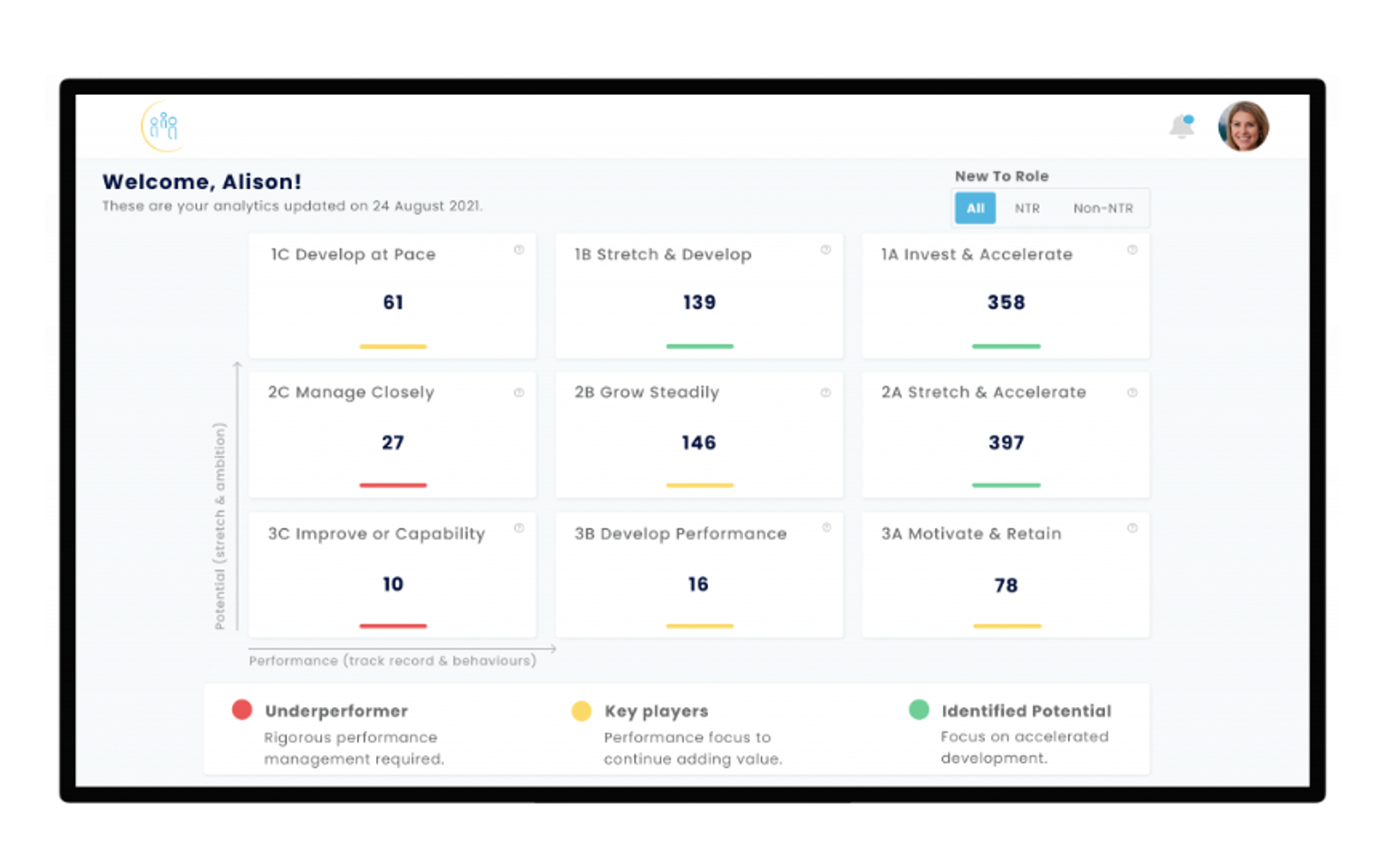
Where an employee is placed will suggest action that you might take to either manage performance, provide training or support, accelerate their development or a range of other interventions. As well as helping decide how best to lead each employee, the grid will provide a range of insights. These include quickly identifying those at risk of leaving, the likely impact of them leaving, their readiness for promotion, likely next and highest role and whether anyone is identified to replace them.
It is a great way of managing succession, surfacing talent, identifying opportunities and potential issues and it should minimise the likelihood of losing staff by managing placements and promotions much more effectively.
Other actions you might take will include stay and exit interviews.
7. Farewell
It’s inevitable that some staff will move on. They may not be meeting expectations, despite being given support, and/or perhaps teaching or education really isn’t for them. In this case, you can help them to depart in a prompt, professional and compassionate way, so that the way they tell others about it enhances your reputation and encourages others to work with you.
Maybe they’re ready for promotion and you don’t have an opportunity for them or maybe there are others ahead of them in the ‘queue’. In this case you can proactively support them to find the role they want, even when it’s external – though in the case of larger MATs, internal opportunities ought to be found in most cases.
You may be disappointed to lose them but if they join another school and tell their new colleagues what a fantastic place they came from, that will build your reputation as an employer of choice and aid your recruitment. Maybe in the future the right job will come up at the right time in your MAT, and they will be back.
Putting Your People Strategy Together
Leaders are usually very time-poor, faced with dealing with daily challenges and there are likely financial constraints. Delivering an effective and long-term people strategy, with the wellbeing of your staff at its heart, isn’t easy and is likely to need specialist HR support, as well as hard work. But if recruiting staff from a diminishing labour market and keeping more of them for longer is important to you – and I am sure it is – then you have little choice. Tackling this is not a time or financial cost, even though you will have to spend both.
Work out what this is likely to be in the form of future management time savings, impact on results and substantially lower recruitment and staff costs – you will see it is an investment with a very significant return attached to it.
Book your 30 minute demo to see how the Welbee Way helps systemise staff wellbeing measurement and improvement as part of your People Strategy – from real experts behind the Wellbeing Toolkit and the book “What Makes Teachers Unhappy and What Can You Do About It?
Book Your Demo Below
If you have questions or would like further information, please email support@welbee.co.uk.